
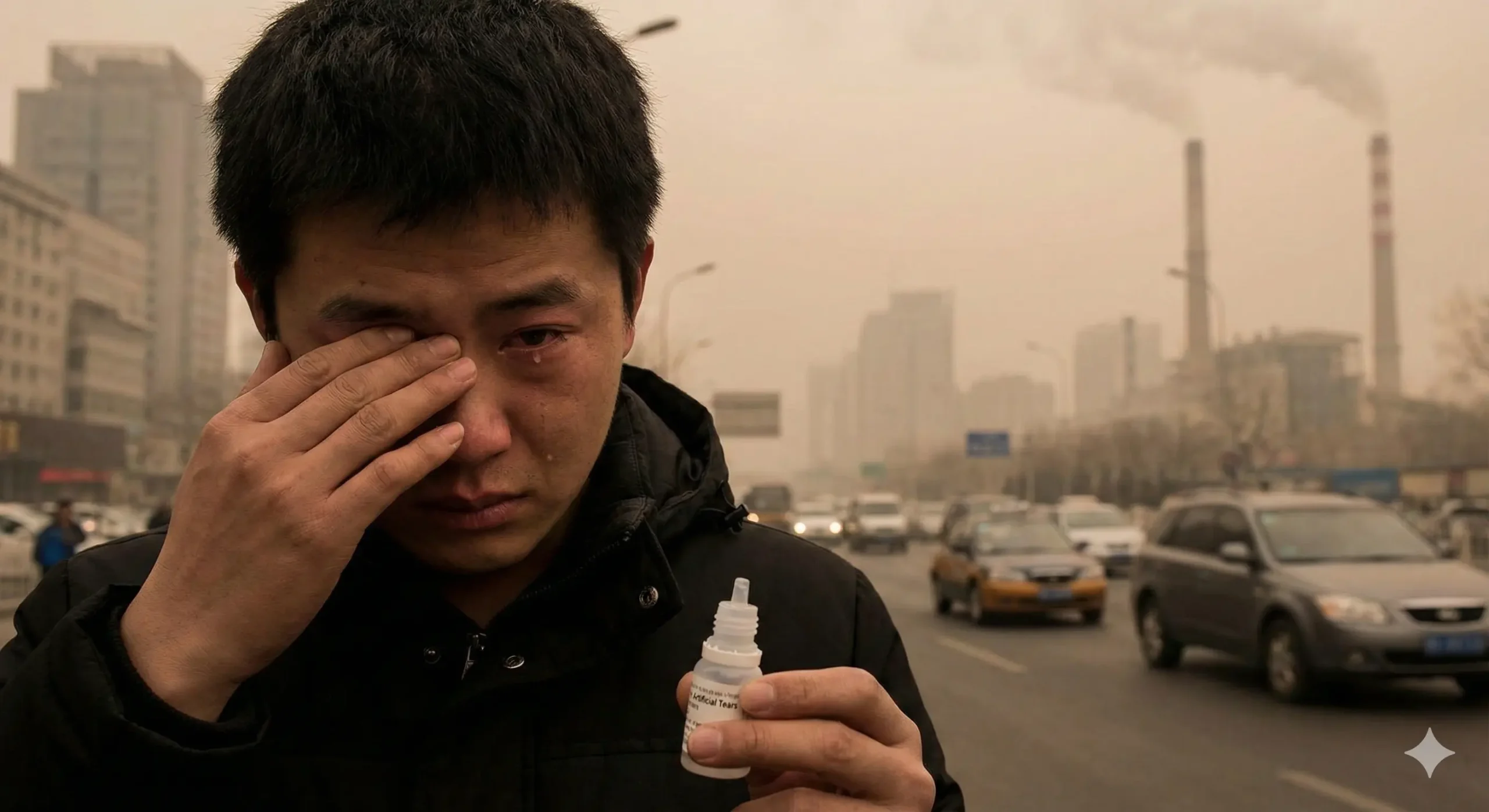
Air pollution has become a critical public health issue in major metropolitan areas, particularly in Iran’s large cities. While numerous studies have established the link between poor air quality and cardiopulmonary conditions—such as asthma, chronic obstructive pulmonary disease (COPD), lung cancer, and stroke—new evidence suggests that pollution also significantly impacts other bodily systems, including the nervous system and the eyes.
Why Are Our Eyes Vulnerable to Air Pollution?
The eyes are unique organs because they are constantly exposed to the external environment. In a healthy state, the tear film acts as a protective barrier, keeping the ocular surface moist and washing away environmental debris.
However, air pollution contains a complex mixture of harmful compounds, including particulate matter (PM2.5 and PM10), nitrogen oxides, sulfur dioxide, ozone, and volatile organic compounds (VOCs). When these pollutants come into direct contact with the eye, they can disrupt the stability of the tear film and trigger chronic inflammation.
Researchers have identified several mechanisms for this damage, including:
-
Induction of inflammation
-
Destruction of the tear film layer
-
Oxidative stress on ocular tissues
Common Eye Symptoms Caused by Pollution
Research indicates that symptoms of Dry Eye Syndrome are significantly exacerbated in polluted environments. The most common manifestations include:
1. Burning Sensation
A study conducted in India revealed that individuals exposed to high levels of air pollution were twice as likely to experience a burning sensation in their eyes compared to those in cleaner environments.
2. Redness (Hyperemia)
The same study demonstrated a strong correlation between pollution levels and ocular redness, a sign of irritation and inflammation.
3. Blurred Vision
Air quality can even impact visual acuity. A study from Thailand found that residents in highly polluted areas reported higher instances of blurred vision due to ocular surface irritation.
Treating Eye Irritation Caused by Pollution
If you are experiencing symptoms of dry eye or irritation due to smog, maintaining ocular moisture is essential.
The most effective treatment is the use of preservative-free artificial tears. Products like Artelac are designed to mimic natural tears, helping to hydrate the eye surface and physically wash away harmful pollutants without causing further irritation from preservatives.
5 Ways to Protect Your Eyes from Air Pollution
To prevent dry eye and minimize irritation during days with poor air quality, consider the following preventive measures:
1. Limit Exposure
The most effective strategy is avoidance. Try to stay indoors and limit outdoor activities on days with high pollution levels. If you must go outside, wearing an N95 mask (approved by health authorities) can help protect your respiratory system, though physical barriers are needed for the eyes.
2. Use Air Purifiers
Installing high-quality air purifiers in your home and office can significantly improve indoor air quality, reducing the burden of allergens and pollutants on your eyes.
3. Stay Hydrated and Eat Well
Internal hydration is key to tear production. Aim to drink at least 8 glasses of water daily. Additionally, a diet rich in Omega-3 fatty acids and antioxidants can help combat inflammation and improve tear quality. Incorporate foods such as fish, nuts, and green leafy vegetables into your diet during smoggy periods.
4. Use Humidifiers
Air conditioning and heating systems can dry out the air, worsening eye symptoms. Using a humidifier adds moisture to your living or work environment, preventing tear evaporation.
5. Wear Protective Eyewear
Wraparound sunglasses or prescription glasses can serve as a physical shield, protecting your eyes from direct contact with airborne pollutants and wind.
Resources
Mandell et al. Impact of Air Pollution and Weather on Dry Eye. J Clin Med. 2020 Nov
Miyazaki et al. Air pollution significantly associated with severe ocular allergic inflammatory diseases. Sci Rep. 2019
ReFocus Eye Health Cheshire; The Impact of Air Pollution on Dry Eye Disease